As technology continues to evolve, printing has remained an important part of that progress. Rather than being left behind, it has adapted to new trends and innovations, from presses to digital innovation, printing has come a long way proving that it can keep pace with the changing demands of the modern world.
Digital printing is one example of modern day printing techniques and also the most convenient way of printing as opposed to traditional printing techniques as it allows digital files like PDFs or any desktop publishing files to be sent over to a digital printing press which can then be printed onto any substrate such as paper, fabric, canvas, etc.
As stated earlier, it is the most convenient way of printing, especially in day-to-day situations. It is very cost-effective in small batches and also fast on its delivery of printed outputs. Contrary to traditional printing, it allows for easier customization resulting in unique printed outputs and also easier to set up. That is why most people and even some small businesses use it for printing a few pages of important documents.
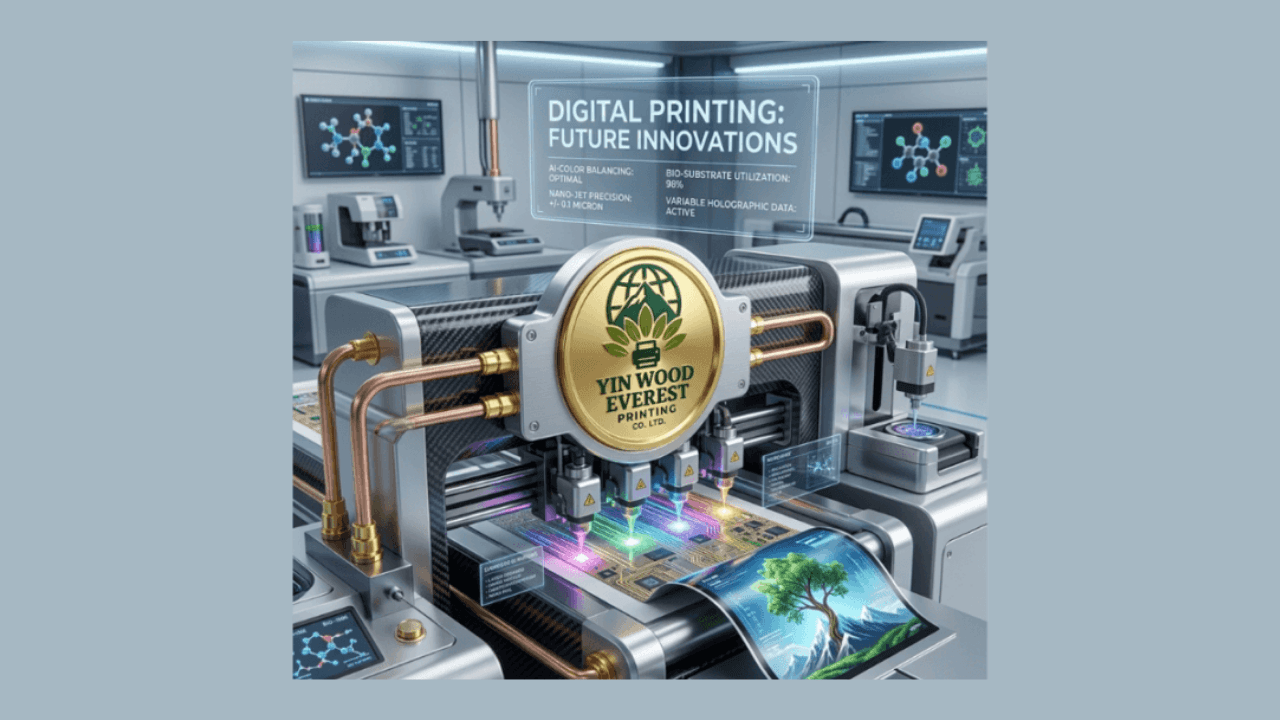
Looking ahead, digital printing is expected to become even more advanced as technology continues to improve. With the rise of automation, artificial intelligence, and smarter printing systems, the industry is moving toward faster production, better accuracy, and less material waste. Digital printing is also becoming more valuable in packaging and business because it allows for on-demand production, personalized designs, and more sustainable practices. As innovation continues to shape the industry, digital printing is no longer just a modern convenience—it is steadily becoming the future standard of print.
In the end, as technology continues to advance, digital printing continues to lead the way in making printing faster, easier, and more affordable. Its convenience and flexibility have already changed how businesses and individuals approach printing today, and future innovations will likely make it even more accessible. As the industry moves forward, digital printing is not just keeping up with change—it is becoming the future of printing itself.